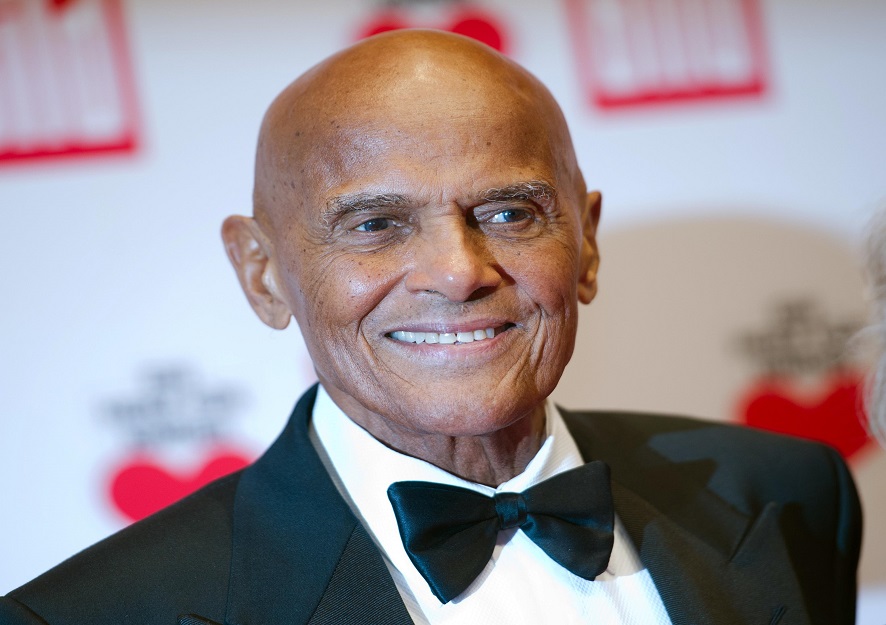
Harry Belafonte, from calypso king to civil rights champion
Joshua Jelly-Schapiro’s biography Daylight Come pays fitting tribute to the late singer, actor and tireless activist
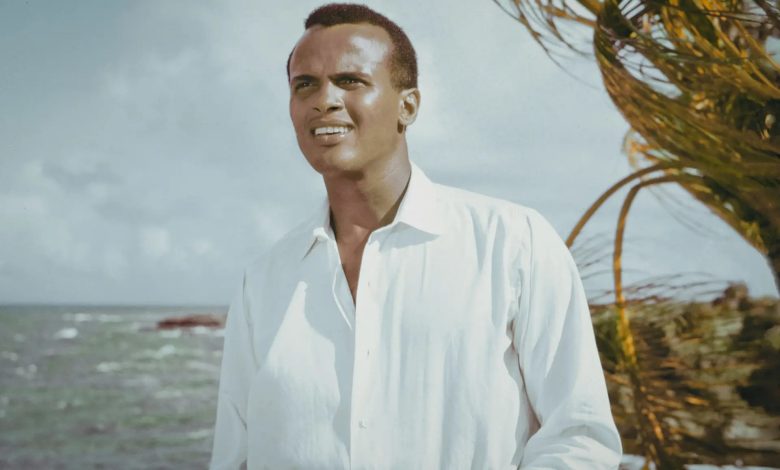
“Would you let your daughter marry a negro?” The question posed by Picture Post’s headline in 1954 to Britain’s white population would have been answered with an unequivocal “No”. But an exception might have been made in the UK and in the US (where interracial marriage was only legalised a decade later) had the groom been Harry Belafonte, whose 1956 album Calypso became the first by a solo artist to sell a million copies, writes Colin Grant for observer.co.uk.
As 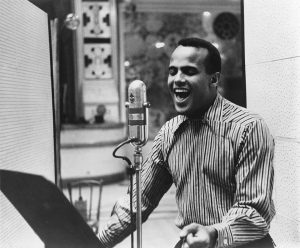 Joshua Jelly-Schapiro highlights in Daylight Come, his glowing biography of the singer, actor and activist, Belafonte (1927-2023) seemed to transcend race even among bigots. White admirers did not see what was hidden in plain view: a black man, with a “devotion to [people on] the edges” of society, who harnessed his popularity and wealth to improve the fortunes of African Americans.
At his peak, in his 30s, Belafonte emitted a charged and alluring Caribbeanness. “When me and Sidney (Poitier) were coming up,” he told his biographer, “people took the way we carried ourselves as proud, imperial. But that’s every fucking Jamaican I know!”
Born in Harlem and raised unhappily by warring Jamaican migrant parents, Belafonte could not thrive during a peripatetic childhood, shuttling between the US and Jamaica. His dyslexia was an impediment to progress in the educational system.
During the Second World War, aged 17, he enlisted in the still segregated US Navy. But those 18 months among black servicemen, often loading munitions (dangerous work fit for those deemed most expendable), were an education in the country’s diversity: a “diaspora in the flesh”, as Belafonte described it.
Jelly-Schapiro suggests the experience led to a burgeoning race-first solidarity in Belafonte, during which period he also became a proud autodidact.
Discharged after the war, he found himself back on civvy street, accepting menial jobs, working as a janitor and pushing carts in New York’s garment district.
Belafonte’s interest in drama was eventually sparked at the innovative American Negro Theatre (where he befriended Poitier), and he would go on to play a vital role in the racial politics of the 1960s, supporting Martin Luther King Jr and his family, and bankrolling the civil rights movement. Jelly-Schapiro’s effusive portrayal convincingly casts Belafonte as a conscientious entertainer who early on shrewdly cultivated relationships with mentors such as Marlon Brando and Paul Robeson.
Belafonte found a soulmate in Brando when studying at the Dramatic Workshop, developing a shared interest in the power of method acting, conga drums and the dancers who danced to them.
Equally, meeting Robeson and drawing lessons from the ways in which he was hounded by the government in a career that combined art and activism profoundly impacted the younger man.
Belafonte was, though, uncertain about the likelihood of succeeding as an actor, and the future matinee idol opened a Greenwich Village cafe, Sage, where he regaled diners (when he wasn’t flipping burgers) with impromptu sea shanties.
Belafonte began experimenting and “applying to music the techniques of the method he’d studied at the Dramatic Workshop”. He found he had the ability to “juggle emotions” in performances that ranged from chain-gang work songs to Jewish folk tunes. Fortuitously, Sage attracted a creative crowd and the connections Belafonte forged there helped steer an unexpected fledging career in the midst of a folk revival.
However, even though Calypso’s tracks were inspired by Caribbean folk songs, they were far removed from the mix of ribaldry and social commentary that formed the music in Trinidad, the home of calypso. But no matter the content, Belafonte’s saccharine folk songs seduced US listeners, tapping into fantasies embodied by the handsome entertainer.
Belafonte’s daughter recounts that she only saw her father cry once, after the assassination of Martin Luther King Jr.
Hollywood was soon drawn in by the excitement Belafonte generated. Film executives recognised that the fantasies the “Caribbean gentleman” inspired could not withstand contact with the reality of the hostility towards interracial relationships in the US, but they chose to ignore this.
In 1957’s Island in the Sun, he starred alongside Joan Fontaine. The “scandalous” on-screen romance between a black man and white woman was too much for audiences in the deep south, where the film was banned, even though the most intimate moment between the characters involved drinking from the same coconut.
Spanning nine eventful decades, Jelly-Schapiro introduces lesser-known details to illustrate his subject’s personality and relationships, but the stories he tells are necessarily truncated.
For instance, Belafonte’s difficult relationship with his enigmatic mother, Melvine (AKA Millie) Love is only sparsely covered.
According to Belafonte, she harboured a conviction that “men were feckless creatures destined to fail her”, and her son worried that this characterisation extended to him. Jelly-Schapiro doesn’t have the space to explore this rich seam of personal trauma other than to suggest a familial rupture.
From the 1960s onwards, Millie gave up the LA house Belafonte had bought for her and, refusing help thereafter, reverted to a one-bedroom Harlem apartment for the remainder of her life.
Inevitably, there was a personal toll from a life fully engaged with activism. Belafonte’s daughter Gina recounts that she only saw her father cry once, after the assassination of Martin Luther King Jr, with whom Belafonte had his most consequential collaboration.
A particular benefit of Belafonte’s association with King was his embrace of the Baptist minister’s adopted philosophy of nonviolence, which encouraged Belafonte to “wash away my personal anger”. That anger was transmuted into a courageous, strategic and never-ending battle against inequities.
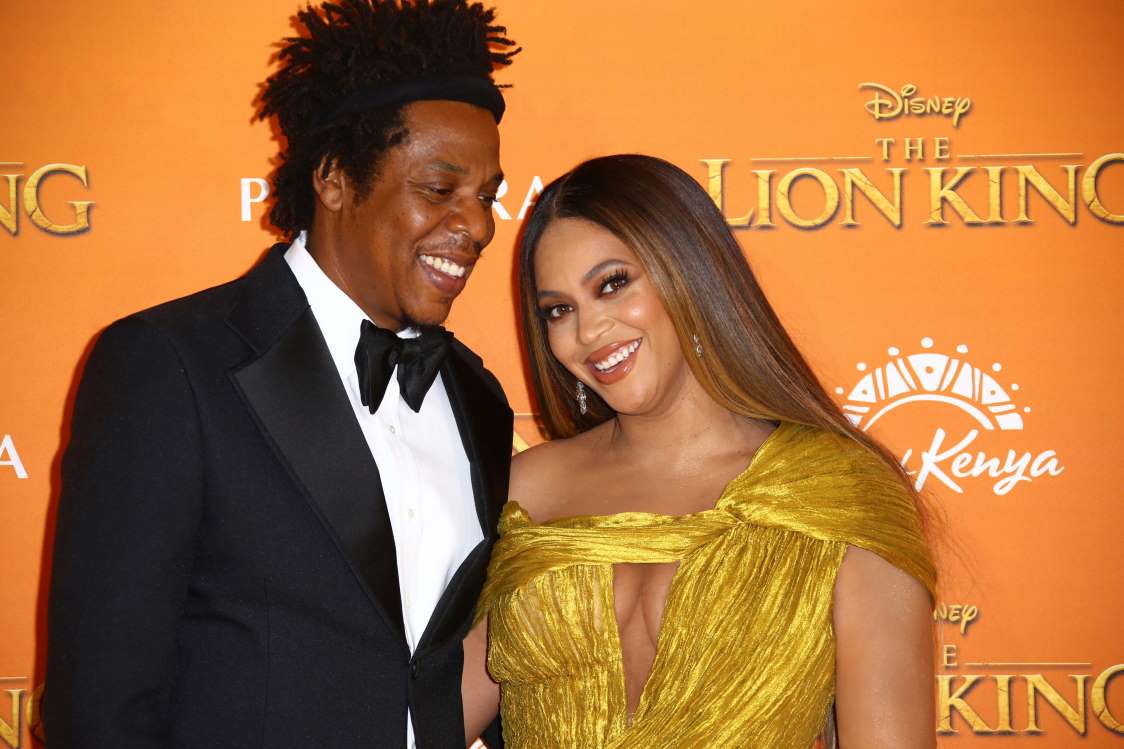
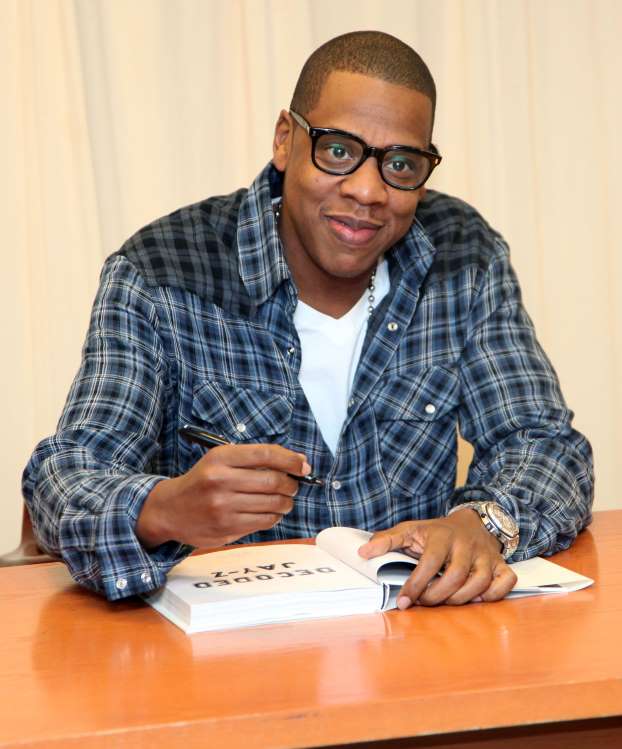
Indeed, Belafonte’s bravery is demonstrated in almost every chapter: in refusing acting roles he considered demeaning; in his defiance of death threats when campaigning in the Jim Crow south; in chastising influential black performers such as Beyoncé and Jay-Z for not using their enormous fiscal and social capital to help their marginalised compatriots; and in following his heart to marry his second wife, Julie Robinson, a white woman.
Even in his 90s, Mr B, as close friends called him, remained a race and class warrior who never let up on his commitment to social justice.
“Harry Belafonte was radical before it was chic and remained so long after it wasn’t,” said Henry Louis Gates Jr. Jelly-Schapiro agrees, and he argues that Belafonte succeeded not by “occluding his ethnicity and pride, but by making both essential to his glamour and grace”.
That grace was apparent to fans, no matter their colour. Whether watching or listening to him perform, Belafonte saw each individual’s appreciation as a political act, and imagined saying to them: “You were connecting with your better angels, reaching across the racial divide. Consciously or not, you were casting your vote for equality.”