2026 World Cup failure: FIFA files reveal DR Congo should have been disqualified, game awarded to Eagles
Nigeria may seek compensation for denied final playoff chance, revenue
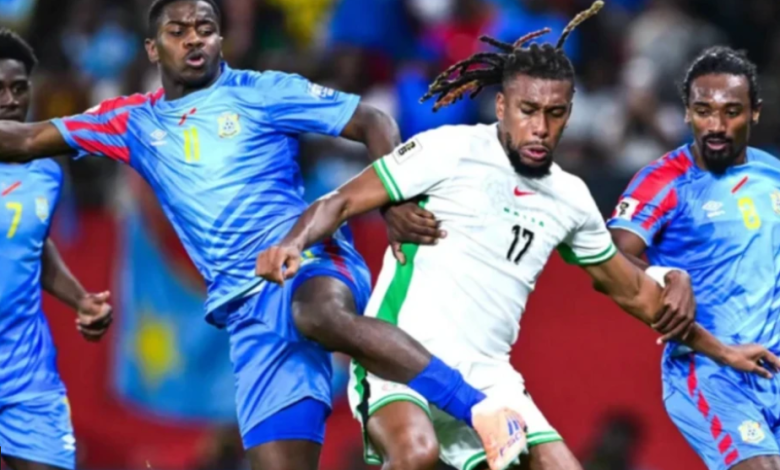
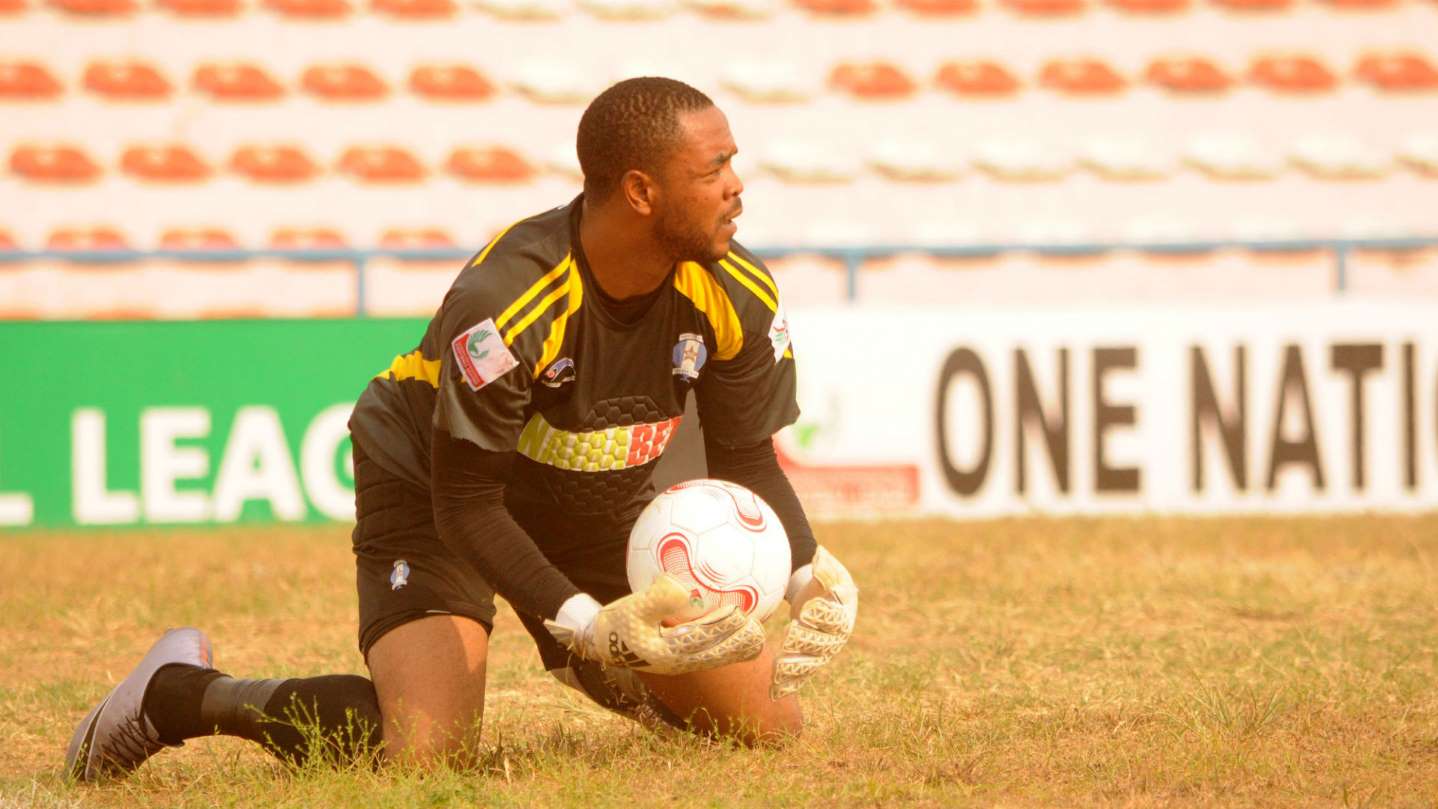
Was the Court of Arbitration for Sports (CAS) decision to dismiss Nigeria’s petition against DR Congo for fielding ineligible players during their 2026 World Cup African playoff final an honest mistake or a deliberate action to favour the DR Congo? That is what Nigerian sports officials are seeking answers to following the revelation that FIFA knew that DR Congo goalkeeper in that match, Lionel Mpasi, was not qualified to play that game.
The paper works granting Mpasi permission to switch allegiance from France to DR Congo, according to the reports, had not been finalised before the game against Nigeria.
The New York Times and Le Monde, yesterday, reported that lawyers for world football’s global governing body became aware in March that Mpasi was allegedly ineligible, and advised a variety of sanctions which could be imposed, including disqualifying DR Congo from the intercontinental play-off against Jamaica later that month and banning Mpasi.
Instead, according to reports, no action was taken, and Mpasi went on to play for DR Congo at the final playoff against Jamaica and the World Cup finals in North America.
Following the revelations, officials of the Nigeria Football Federation (NFF) are considering demanding for compensation from FIFA for the losses incurred by Nigeria due to FIFA’s actions in the case.
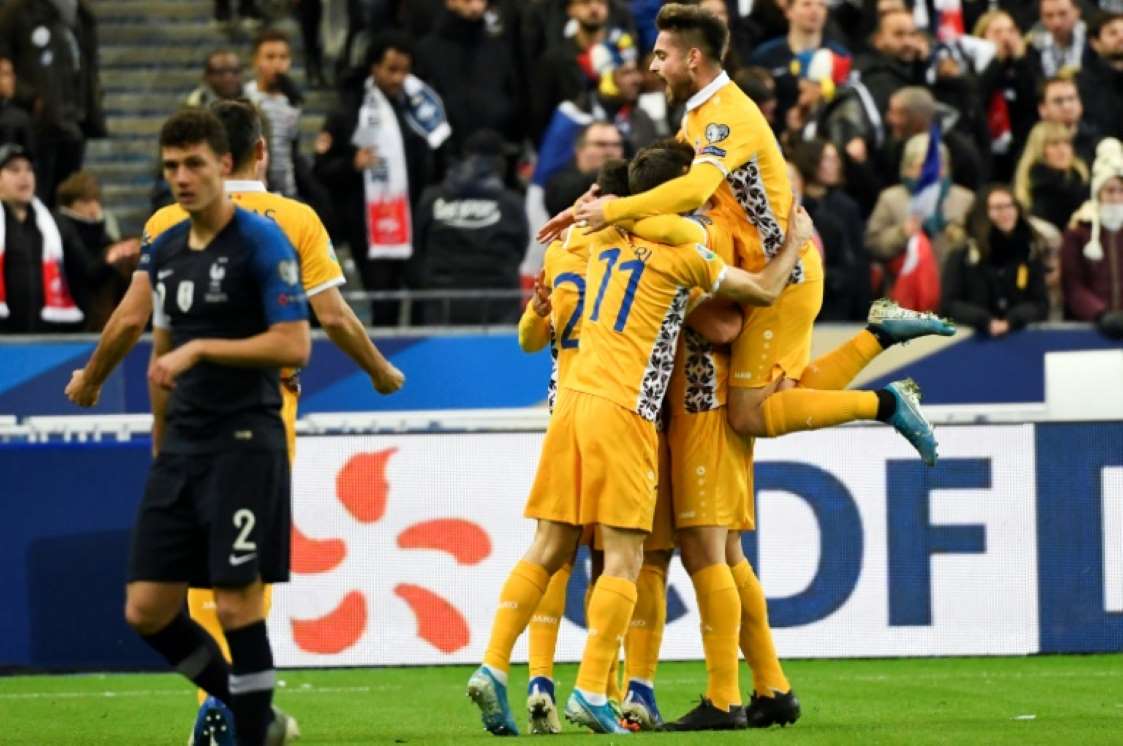
Already, Jamaica has taken FIFA up on the case, with a view to getting compensation for the injustice in their loss to DR Congo.
The North and Central America Football confederation, CONCACAF, believes that Jamaica was dealt a wrong hand by FIFA in the saga. Jamaica, DR Congo’s intercontinental play-off opponents, said: “CONCACAF takes player eligibility matters very seriously and expects the applicable regulations and procedures to be applied consistently and fairly in all competitions.
“Any concerns regarding player eligibility, particularly those that may affect the integrity of a competition or the interests of one of our member associations, should be thoroughly reviewed and addressed through FIFA’s appropriate governance and disciplinary bodies, in accordance with established regulations and due process.”
A top NFF official, who pleaded anonymity, described the revelations as a vindication of Nigeria’s position, which led the appeal to CAS in the first place.
He said that the NFF’s acting secretary-general, Dr Emmanuel Ikpeme, is not available for official comments on the issue, “but I can tell you that we may seek compensation for the losses of revenue and opportunity to contest for the World Cup that we lost.
“We expect that FIFA will write us on the revelations, but where they fail, we will consider our options.”
Nigeria was guaranteed a minimum $12.5 million if it had played at the World Cup and would have earned $18.5 million if the Super Eagles had made the second round.
The NFF first raised eligibility concerns after DR Congo eliminated the Super Eagles from the African World Cup playoffs in November. The teams drew 1-1 after extra time before DR Congo won 4-3 on penalties.